Is Cambodia Safe to Visit in 2026?
Yes. That's the short answer. But we know a short answer isn't always enough, especially with everything you may have read in the news lately. So let's talk about it simply and honestly.
We've lived in Siem Reap for almost twenty years. We are raising our children here. This is our home. So when we hear people say Cambodia feels "risky" right now, we want to explain what is actually happening, in plain terms.
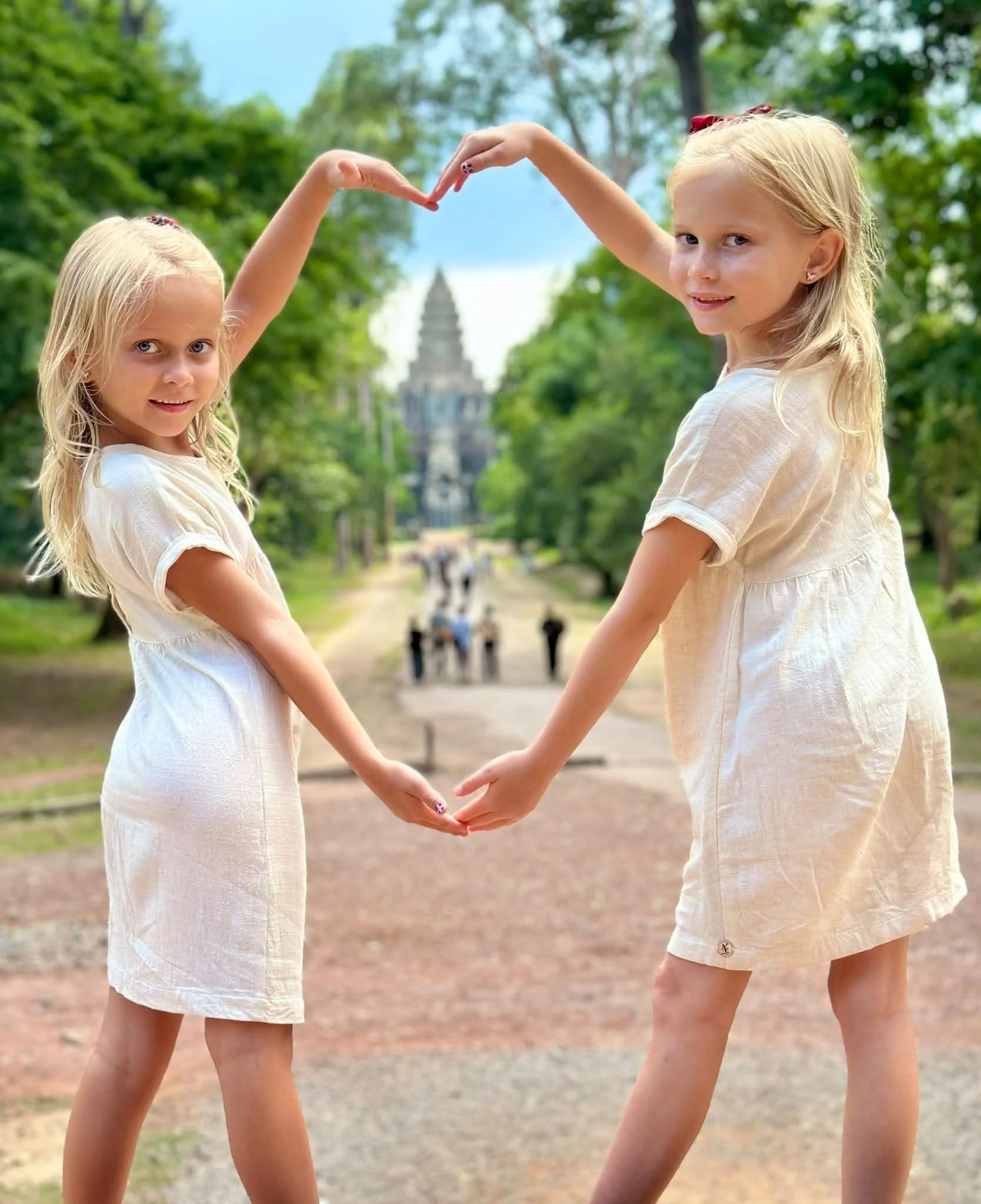
This is home: Eline and Emilie, the owners' daughters, in front of Angkor Wat
The border situation
Yes, there has been a real conflict on the border between Cambodia and Thailand. A ceasefire was agreed at the end of 2025. Tensions are still there in that specific area, so it is smart to check the latest travel advice before going near that border.
But here is something important that most people don't know: this is a problem on both sides of the border, not just the Cambodian side. Thailand's own government has also warned people to stay away from that same border area. Several countries tell their citizens not to travel within 50km of the border, on the Thai side too. Thailand even put parts of its own border under martial law during the worst of it.
So this is one border problem, shared by two countries. But somehow, it has hurt Cambodia's reputation much more than Thailand's. That doesn't feel fair to us. The border area does need caution, yes. But this is a small part of the country. Most of Cambodia has nothing to do with it.
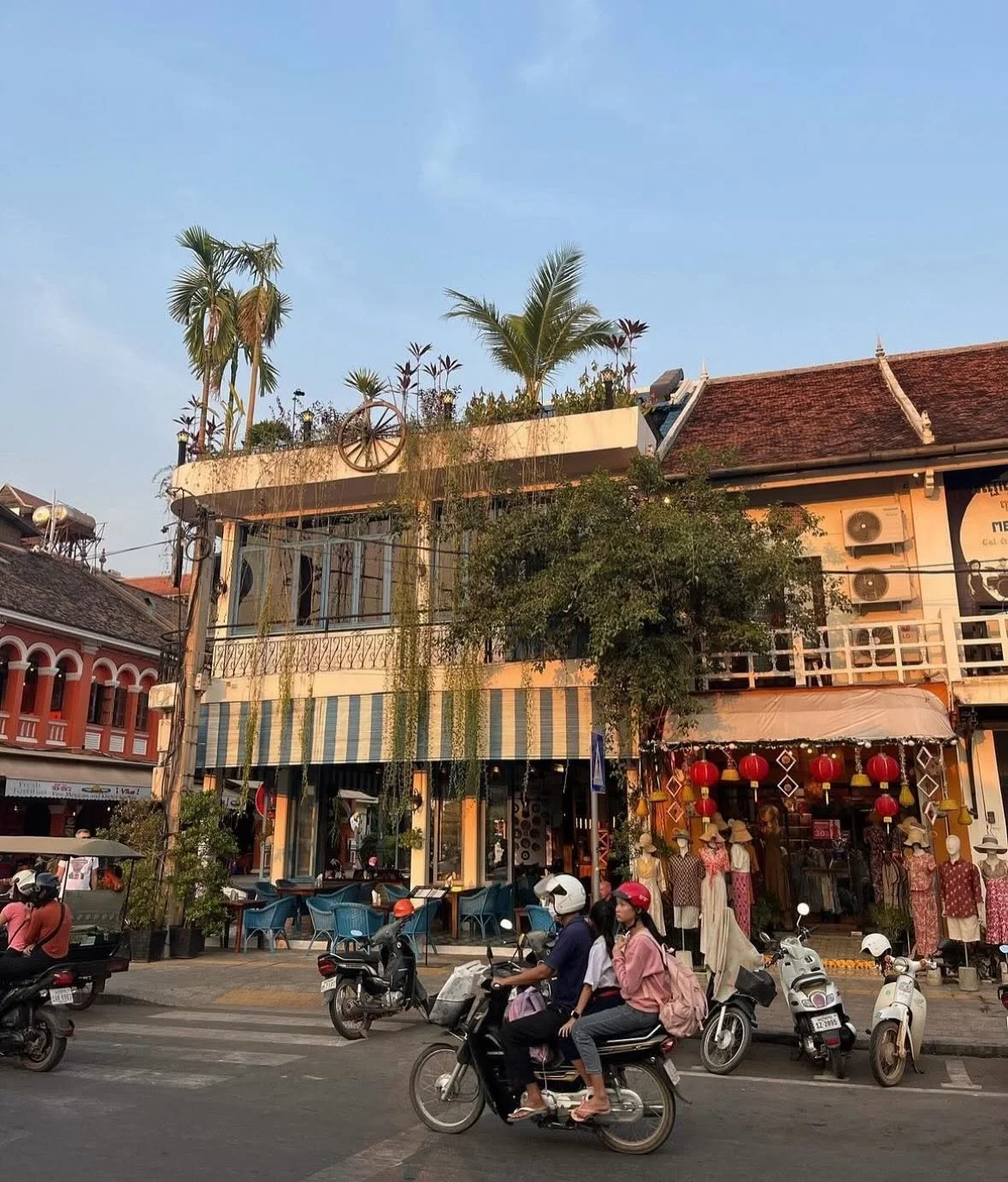
A quiet evening on the streets of Siem Reap — just another normal day
What Siem Reap is really like
Siem Reap has always been one of the safest places in Cambodia for visitors. It has a strong, experienced tourism industry. There is a visible tourist police presence. Daily life here has not changed. We are simply too far away from it all. Angkor Wat, the temples, the town — everything continues as normal, every day.
Like anywhere in Southeast Asia, normal travel sense still applies. Watch your bag in busy areas. Use trusted transport. Don't wander down dark, empty streets at night. These are simple habits you'd use in Bangkok, Ho Chi Minh City, or almost any city in the world. None of this is special to Cambodia.
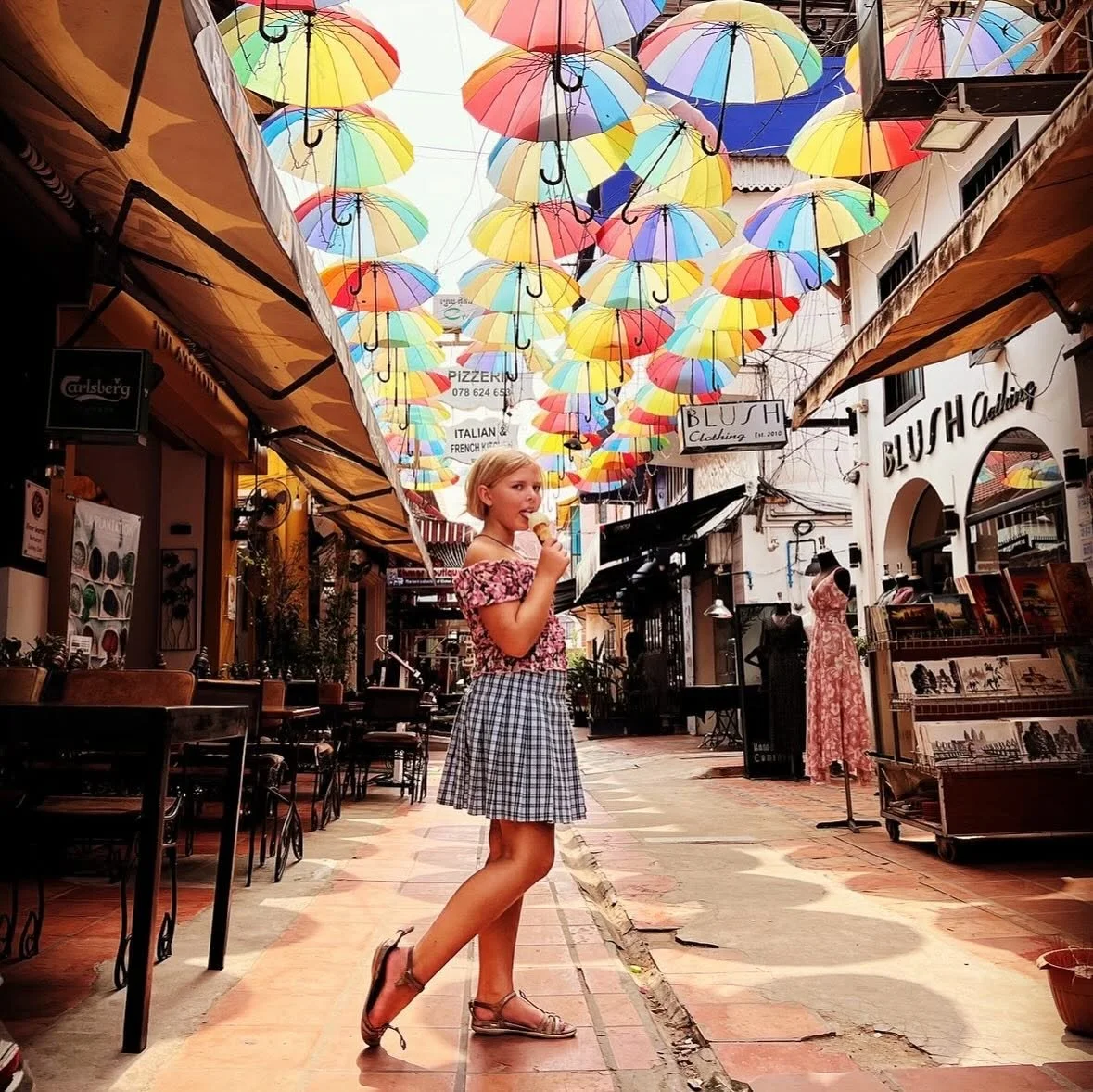
This is what an ordinary day looks like here
What our guests tell us
Honestly, the thing we hear most often from guests is surprise. Families, solo female travelers, big groups — again and again, people tell us they expected to feel more on edge here than they actually do, and how different the reality feels compared to the rumors.
This also comes up with the Norwegian school groups we host. We've welcomed hundreds of Norwegian students over the years, and almost every year, a student tells us some version of the same thing: "We didn't know what to expect from Cambodia and Siem Reap. But everything has been amazing so far, and we haven't felt unsafe for a second. We walk into town as young girls, and we feel safer here than in many other places we've been, back home and in Europe."
That's not one student's story. It's something we hear, in one form or another, year after year. And we’ve heard it in 2026 as well.
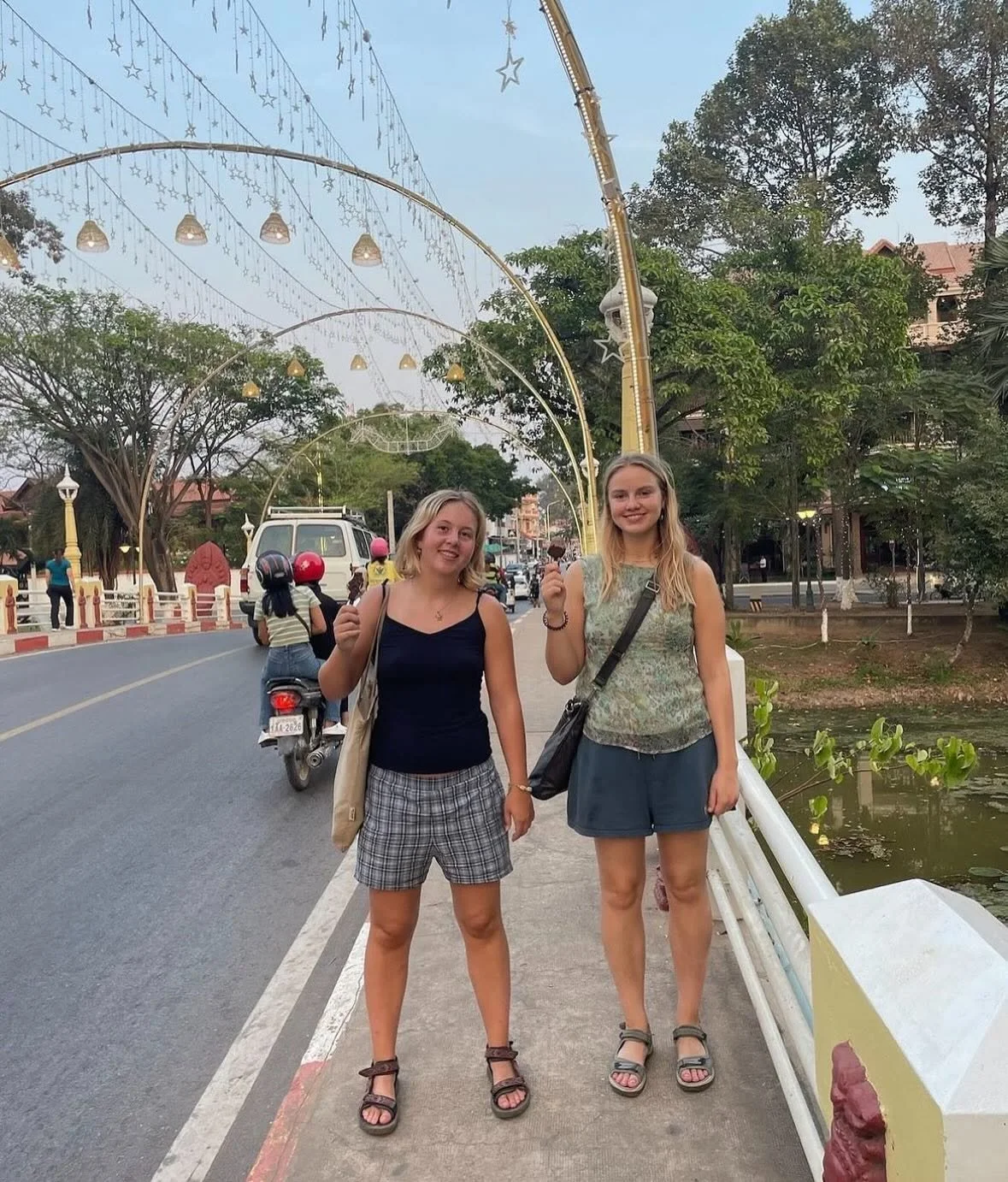
Two Norwegian students, past guests of Babel, walking home over the Old Market bridge
Why we wanted to say this
We are not asking you to ignore real safety advice. Please always check your own government's travel advisory before any trip. All we ask is this: judge Cambodia fairly, the same way you'd judge any other country. Don't let one small, local problem color your whole idea of a place this good.
We have raised our own children here. We send our own guests out to explore this country every day, and we have done this for years. We know, first-hand, what it actually feels like to live and travel here — and it is not what some headlines make it sound like.
If you're still not sure, we'll say what we'd say to our friends and family: come see it for yourself. Some things you just have to experience to believe.
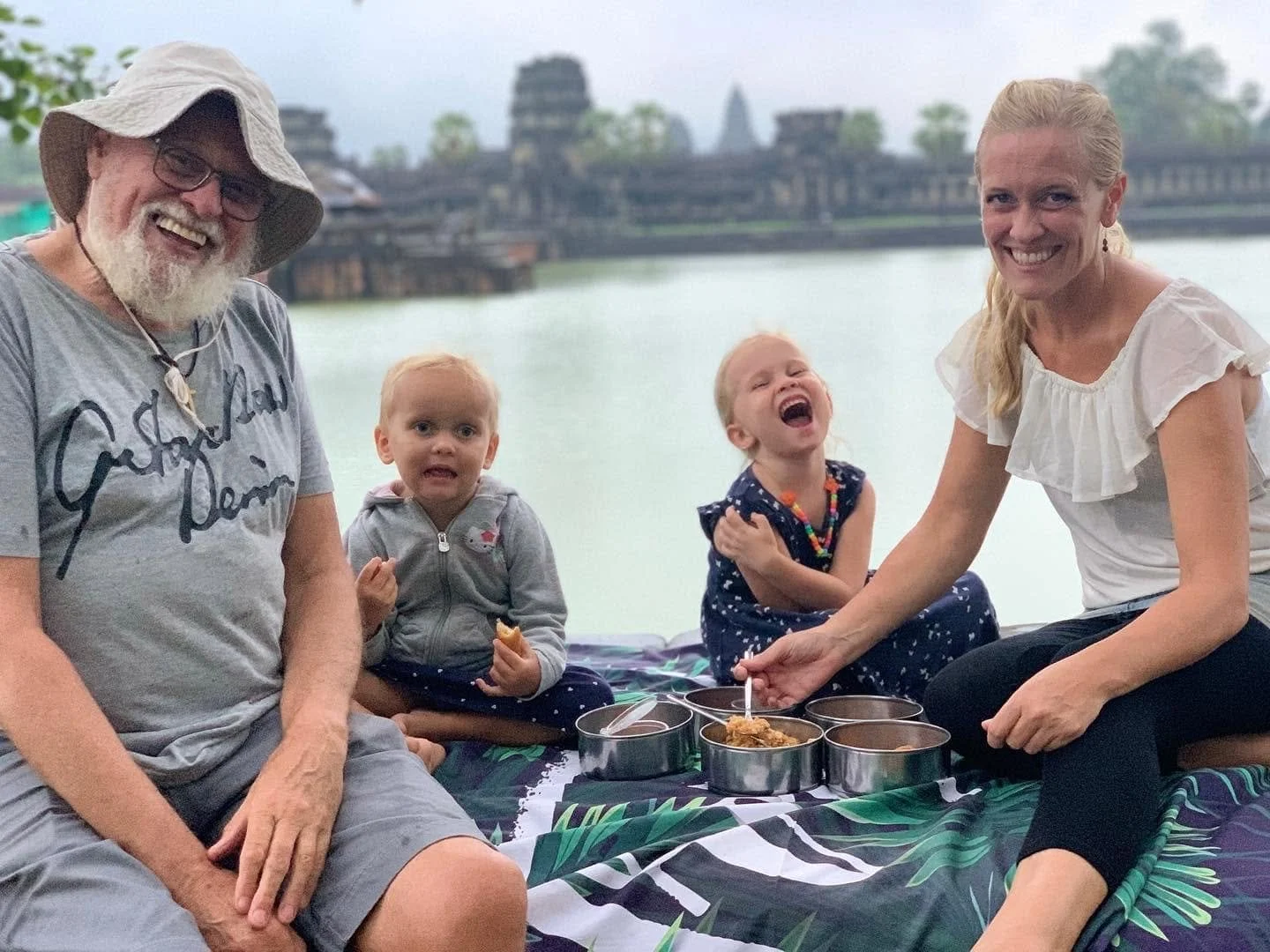
Three generations of the Solhaug family, right by the moat of Angkor Wat, like any other day after school